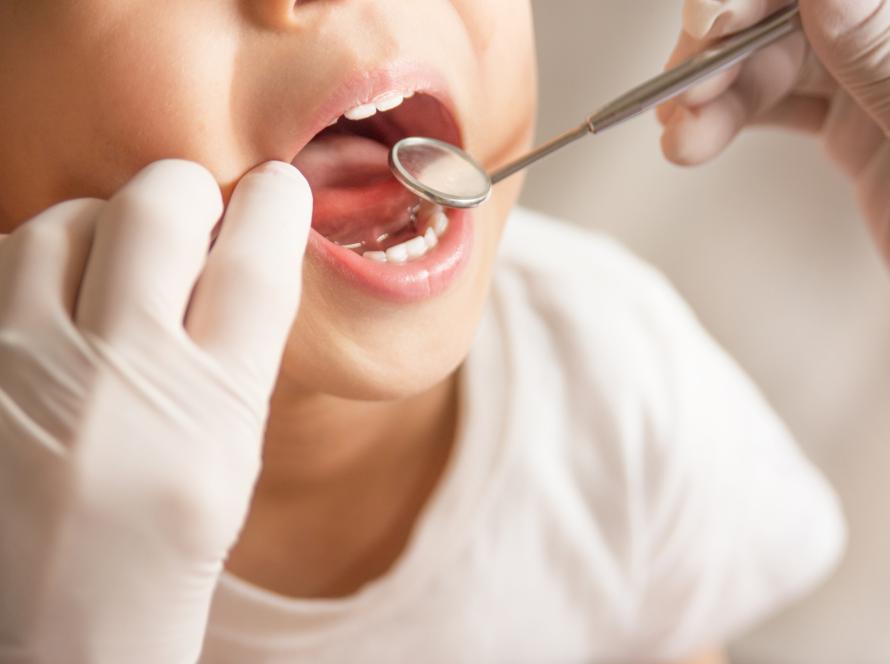
If your child plays sports, a mouthguard is one of the simplest ways to protect their smile. From hockey and football to basketball and gymnastics, accidents happen fast. A well-fitted mouthguard can prevent chipped teeth, cut lips, and even reduce the risk of jaw injuries. As any children’s dentist will tell you, prevention is always easier than treatment.
But getting kids to actually wear and care for their mouthguard? That takes a bit more creativity. Here are practical, kid-friendly tips to make mouthguards part of your child’s routine, along with advice on kids’ oral hygiene and overall kids’ dental care.
Make the Mouthguard “Cool” to Wear
Kids are more likely to wear something they like. Let them choose the color or style of their mouthguard. Some brands even allow custom designs or team colors.
You can also:
- Let them decorate the case with stickers
- Give the mouthguard a fun nickname
- Tie it to a “game-day routine” like putting on their jersey
When it feels personal, it stops being a chore.
Practice Wearing It at Home
For younger kids, a mouthguard can feel bulky or uncomfortable at first. Have them wear it for short periods at home before games or practices.
Try this:
- Wear it while watching TV
- Practice talking with it (it becomes a fun challenge)
- Time them and gradually increase wear time
This builds confidence so they don’t feel awkward using it on the field.
Keep It Clean (Without Making It Complicated)
A dirty mouthguard can carry bacteria, which isn’t great for kids’ oral hygiene. The good news is that cleaning it doesn’t have to be a big task.
Simple routine:
- Rinse with cold water after every use
- Brush it gently with a toothbrush (no toothpaste, as it can be abrasive)
- Let it air dry before storing
Once a week, soak it in a mild mouth rinse or a dentist-approved cleaner.
A children’s dentist will often remind parents that a clean mouthguard supports overall kids’ dental care just like brushing and flossing.
Always Use a Proper Case
Mouthguards stuffed into gym bags or pockets tend to get lost, dirty, or damaged.
Teach kids this rule:
“If it’s not in your mouth, it’s in your case.”
Look for a ventilated case so it can dry properly. You can even attach it to their sports bag so it’s harder to forget.
Check the Fit Regularly
Kids grow quickly, and their teeth shift. A mouthguard that fit perfectly six months ago might not fit now.
Signs it needs replacing:
- It feels loose or falls out easily
- Your child chews on it constantly
- It shows visible wear or thinning
Regular checkups with a children’s dentist help ensure the mouthguard still offers proper protection.
Pair It With Strong Oral Hygiene Habits
A mouthguard protects teeth during sports, but daily care protects them all the time. Kids’ oral hygiene should stay consistent, even during busy sports seasons.
Remind your child to:
- Brush twice a day for two minutes
- Floss once daily
- Rinse their mouth after sugary sports drinks
If they wear a mouthguard after consuming snacks or drinks, make sure they rinse their mouth first. Trapping sugar and bacteria under the guard can increase the risk of cavities.
Hydration Matters More Than You Think
Dry mouth increases the risk of bad breath and bacterial buildup. Encourage kids to drink water before, during, and after games.
Water helps:
- Wash away food particles
- Keep the mouth comfortable while wearing a guard
- Support overall kids’ dental care
Avoid frequent sipping of sugary sports drinks, especially while wearing a mouthguard.
Have a Backup Plan
Kids lose things. It’s inevitable.
Keep a spare mouthguard in their sports bag or locker. It doesn’t have to be custom, but having a backup ensures they’re never unprotected during a game.
Teach Safe Sports Habits Beyond Mouthguards
A mouthguard is just one part of staying safe. A children’s dentist often encourages a full approach to protection.
Other smart habits:
- Wear helmets when required
- Follow proper techniques and rules
- Avoid chewing on ice, pencils, or hard objects (which can weaken teeth)
Strong teeth are less likely to break during impact.
Turn It Into a Routine, Not a Reminder
Instead of constantly telling your child to wear their mouthguard, build it into their routine.
For example:
- Shoes on → mouthguard in
- Helmet on → mouthguard check
- Water bottle packed → mouthguard packed
The more automatic it becomes, the less resistance you’ll get.
When to Visit a Children’s Dentist
Despite your best efforts at prevention, accidents are still possible. If your child experiences:
- A chipped or cracked tooth
- Tooth pain after impact
- Bleeding gums or loose teeth
Schedule a visit with a children’s dentist right away. Early care can prevent bigger issues later.
Regular dental visits also help reinforce good habits and ensure your child’s mouthguard and overall kids’ dental care routine stay on track.
Final Thought
Wearing a mouthguard shouldn’t feel like a burden. With a few creative strategies and consistent habits, it becomes just another part of playing sports safely.
The goal isn’t just protecting teeth during games. It’s building lifelong awareness of kids’ oral hygiene and smart kids’ dental care habits. And that’s something that lasts long after the final whistle.