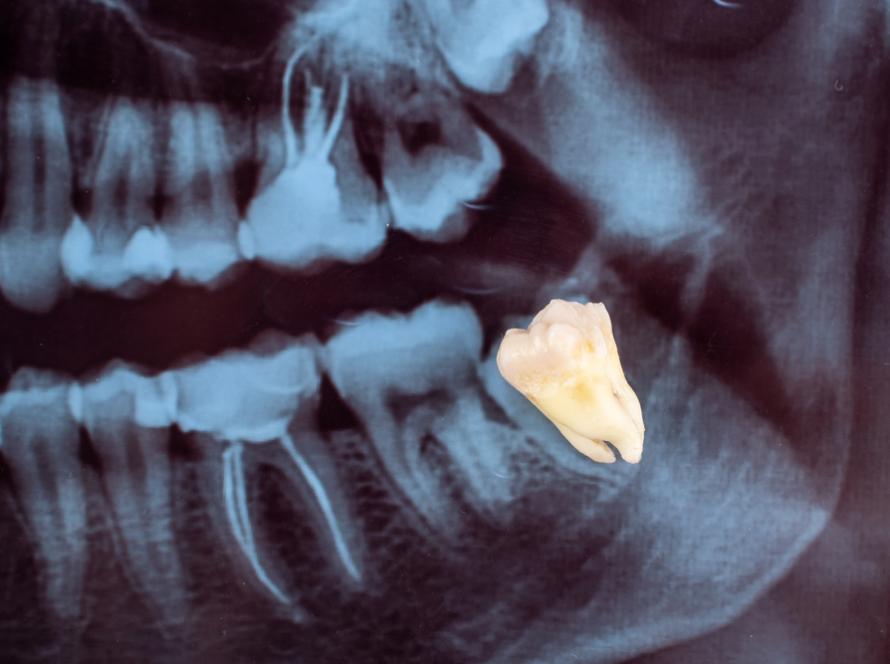
Tooth sensitivity in children is more common than many parents realize. Sensitivity can stem from enamel wear, cavities, gum recession, or newly erupting teeth. Children may describe it as a sharp pain when eating cold foods, brushing, or even breathing in cool air. While it can be temporary, ongoing discomfort deserves attention. (Source: Colgate, What to Use for Sensitive Teeth in Children, https://www.colgate.com/en-gb/oral-health/tooth-sensitivity/what-to-use-for-sensitive-teeth-in-children ).
Woodlawn Kids Dental shares, “Dental sensitivity in children is often the first quiet signal that something in the oral environment is out of balance. Instead of viewing it as a single symptom, we encourage families to think of it as feedback. It can reveal early enamel stress, diet-related acidity patterns, or overly aggressive brushing habits. When parents tune into these early signs, it creates an opportunity to protect kids’ oral health before larger issues develop.”
Getting to the Root of the Matter
Identifying the cause is essential. Sensitivity may be related to thinning enamel, tooth decay, cracks, or even gum irritation. Determining the source helps guide the appropriate response.
Woodlawn Kids Dental explains, “Pinpointing the root cause of sensitivity in children requires looking beyond the surface of the tooth. For example, frequent snacking on acidic fruits or flavored waters can soften enamel without visible cavities. Even mouth breathing at night can contribute to dryness, which can heighten discomfort. A thoughtful evaluation during a kids’ dental checkup allows patterns to emerge, helping families understand how daily routines impact long-term resilience.”
Choose a Toothpaste with Care
Desensitizing toothpaste formulated for children can help reduce discomfort over time. These products work by blocking sensation pathways or strengthening enamel.
Woodlawn Kids Dental comments, “Selecting toothpaste for sensitive teeth should be intentional. For younger patients, texture and flavor matter just as much as active ingredients. If a toothpaste feels gritty or tastes too strong, children may avoid brushing thoroughly. We encourage choosing options that both reinforce enamel and make brushing feel approachable. When brushing becomes comfortable, consistency improves, and that consistency is what truly reduces sensitivity.”
Fluoride to Strengthen Teeth
Fluoride plays a key role in reinforcing enamel and protecting against decay, which can reduce sensitivity.
Woodlawn Kids Dental highlights, “Fluoride remains one of the most powerful tools for reinforcing enamel in growing smiles. What’s often overlooked is timing and exposure. Small, age-appropriate amounts applied consistently are more impactful than sporadic heavy use. In infant oral care, especially, establishing balanced fluoride habits early can help teeth mineralize properly as they emerge, creating a stronger foundation against sensitivity later.”
Encouraging Good Oral Care Habits
Gentle brushing, daily flossing, and regular dental visits are central to preventing sensitivity and maintaining healthy teeth.
Woodlawn Kids Dental expresses, “Technique matters just as much as frequency. Many children brush enthusiastically but press too hard, which can gradually wear down enamel and irritate gum tissue. Teaching kids to use light, circular motions and soft-bristled brushes protects developing enamel. We also remind parents that a calm, unhurried brushing routine helps children associate oral care with comfort rather than discomfort, reinforcing positive kids’ oral health habits.”
Home Remedies for Sensitive Teeth in Children
At-home approaches may include saltwater rinses or avoiding extreme temperatures in foods and drinks. However, it emphasizes that persistent sensitivity should be evaluated professionally.
Woodlawn Kids Dental explains, “While mild adjustments at home can offer temporary relief, sensitivity should never be self-diagnosed for long. Before trying any home remedy, it’s wise to consult a pediatric dentist to rule out decay or enamel defects. In some cases, what appears to be minor sensitivity may signal early-stage cavities that are easier to manage when caught promptly. Professional insight ensures that families don’t unintentionally delay necessary care.”
What Your Dentist Can Do for Sensitive Teeth in Children
Dental professionals may recommend fluoride applications, protective sealants, or other targeted treatments depending on the cause.
Woodlawn Kids Dental shares, “A comprehensive evaluation during a children’s dentist visit allows us to assess enamel thickness, bite alignment, and eruption patterns together. Sensitivity can sometimes be linked to how teeth come together when chewing. Addressing subtle bite imbalances early may reduce pressure points that contribute to discomfort. Preventive strategies discussed during a kids’ dental checkup can strengthen vulnerable areas and provide lasting relief.”
Can Sensitive Teeth Be a Sinus Problem?
Sinus pressure can occasionally create discomfort that feels like tooth pain, particularly in upper teeth.
Woodlawn Kids Dental comments, “In children who experience seasonal allergies or frequent congestion, sinus inflammation can mimic dental sensitivity. The roots of upper molars sit close to sinus cavities, so pressure changes may be interpreted as tooth pain. Observing whether discomfort coincides with cold symptoms can offer clues. Understanding this connection prevents unnecessary worry and helps parents seek the right type of evaluation.”
Do Permanent Teeth Hurt When Coming In?
Erupting permanent teeth can cause temporary tenderness as they push through the gums.
Woodlawn Kids Dental explains, “As permanent teeth emerge, mild soreness is common because the surrounding gum tissue adjusts. This transitional phase can heighten sensitivity to cold foods or brushing. Encouraging gentle cleaning around erupting teeth keeps the area healthy while it settles. Parents should view eruption discomfort as temporary but remain attentive if pain lingers beyond a few weeks.”
Why Do My Bottom Teeth Feel Ticklish?
Children sometimes describe unusual sensations as ticklish or tingling, especially near the lower front teeth.
Woodlawn Kids Dental highlights, “A ticklish feeling may be linked to gum stimulation or increased nerve awareness during growth phases. Lower front teeth often accumulate plaque quickly due to saliva flow, which can irritate gum tissue. Maintaining careful brushing in this area helps keep gums healthy and reduces unusual sensations. Subtle changes in sensation are worth noting during routine kids’ dental checkups.”
Do Baby Teeth Have Nerves?
Yes, baby teeth contain nerves just like permanent teeth, meaning they can experience pain and sensitivity.
Woodlawn Kids Dental expresses, “Baby teeth are fully equipped with nerve structures, making infant oral care just as important as care for permanent teeth. Sensitivity in primary teeth should never be dismissed as unimportant simply because those teeth will eventually fall out. Early attention protects developing adult teeth underneath and supports lifelong children’s oral health.”
Tooth sensitivity in children can arise from a variety of factors, ranging from enamel wear to sinus pressure. Understanding the cause allows families to respond thoughtfully and effectively. With consistent care, mindful product choices, and professional guidance, most sensitivity can be managed successfully.
Woodlawn Kids Dental shares, “Sensitivity offers a valuable opportunity to strengthen habits early. By viewing it as an opportunity for insight rather than an inconvenience, families can build preventive routines that support comfort and confidence. A proactive approach during each children’s dentist visit ensures that small concerns remain small, allowing young smiles to develop with strength and stability.”