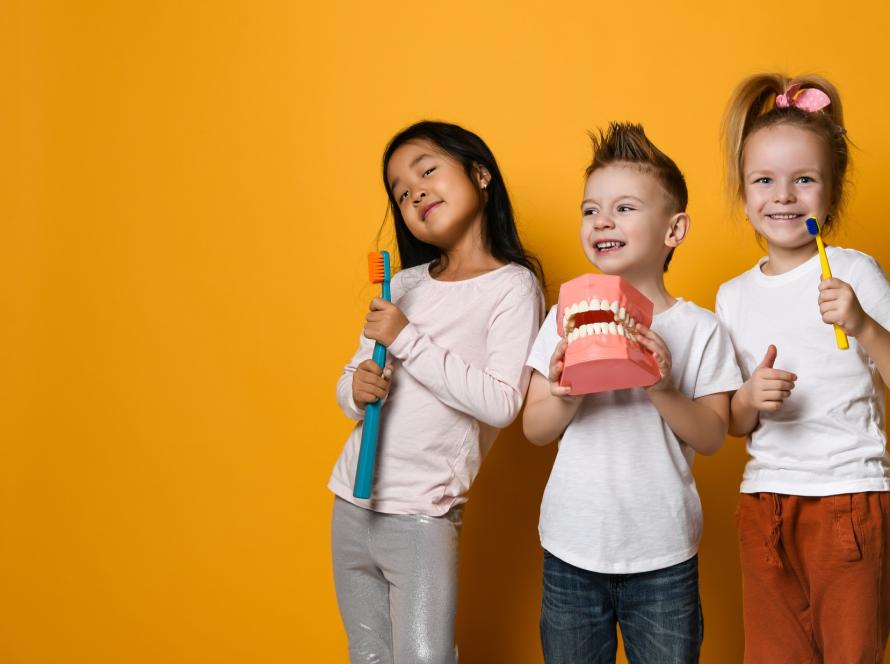
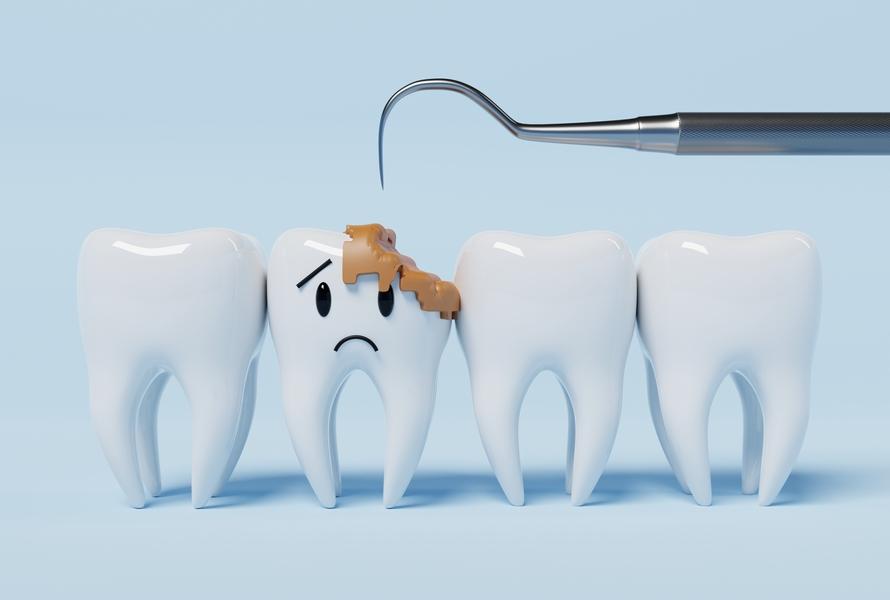
Helping children build healthy habits early shapes how they feel about their smiles for years to come. Making oral care enjoyable is not just about getting through a routine. It is about building confidence and skill, especially when it comes to flossing. While brushing often takes center stage, flossing plays a critical role in protecting tight spaces where cavities commonly develop. (Oral-B, Make Oral Care and Flossing Fun for Kids, reviewed and approved by Francesca Dusio, an Italian registered Dentist, https://www.oralb.ca/en-ca/oral-health/life-stages/kids/make-oral-care-flossing-fun-for-kids).
Woodlawn Kids Dental shares, “Flossing should never feel rushed or intimidating. When parents introduce it gradually, with supervision and encouragement, children learn that flossing is a safe, manageable skill that strengthens their independence and supports long-term oral health.”
Tips to Make Oral Health Care Fun
Fun and safety can work together. Children respond best when routines feel interactive rather than instructional.
Woodlawn Kids Dental comments, “For little ones, flossing can begin as a parent-led activity. Think of it as guided exploration. Let your child watch in the mirror while you gently floss their teeth, explaining each step. Supervision is essential in early years to protect delicate gum tissue and prevent accidental snapping.”
Parents can frame flossing as a “tiny treasure hunt,” where floss reaches spots a toothbrush cannot. This approach builds curiosity while reinforcing careful technique before every kid’s dental cleaning.
Make Brushing and Flossing Fun
Flossing becomes easier when children understand how it works. Demonstration is key.
Woodlawn Kids Dental explains, “Standing beside your child and flossing together allows them to mirror your movements. Show them how to curve the floss in a C-shape around each tooth and move it gently up and down. Avoid aggressive back-and-forth motions, which can injure young gums.”
For toddlers and preschoolers, parents should use floss picks designed for small mouths. These provide better grip and control. By early elementary school, some children may transition to soft, waxed string floss if they demonstrate steady coordination. Introducing the right tool at the right time strengthens kids’ oral health while maintaining safety.
Develop a Reward System
Positive reinforcement works best when it highlights safe technique.
Woodlawn Kids Dental highlights, “Reward your child for careful flossing, not speed. Praise them for holding the floss steadily or remembering to move gently beneath the gumline. Recognizing precision reinforces safe habits that carry into every kid’s dental checkup.”
Sticker charts or simple verbal praise can motivate children while reinforcing consistency and care.
Make Brushing Time Family Time
When families brush together, children begin to see it as a normal part of daily life rather than a task they have to complete alone. Modeling matters, especially in the early years.
Woodlawn Kids Dental expresses, “Brushing alongside your child creates a built-in teaching moment. When parents demonstrate slow, circular motions and proper timing, children naturally mirror those movements. It also gives parents the chance to gently guide technique without turning it into correction.”
This shared routine reinforces consistency between each kid’s dental cleaning and strengthens daily habits that protect long-term oral health.
Bring Variety to Brushing
Variety can help brushing feel less repetitive while still maintaining strong technique and safety. Small changes can make a big difference in engagement.
Woodlawn Kids Dental mentions, “For toddlers and preschoolers, toothbrushes with small heads and extra-soft bristles protect sensitive gums while allowing better control. As children grow, powered toothbrushes with built-in timers can help improve brushing duration and consistency. Choosing the right brush for each developmental stage supports effective cleaning without discomfort.”
Parents can also rotate toothpaste flavors approved for children to keep the experience fresh. Introducing brushing songs, two-minute challenges, or brushing apps can help children reach the recommended time before their next kids’ dental checkup.
Keeping brushing interesting, while maintaining proper technique, builds confidence and supports healthy routines guided by a trusted children’s dentist.
Making Kids Comfortable with Dentists
Comfort at home sets the stage for a positive kids’ dental checkup.
Woodlawn Kids Dental explains, “When children practice flossing safely at home, they feel more confident during professional exams. They understand what it feels like to clean between teeth, so the experience feels familiar rather than surprising.”
Confidence reduces anxiety and encourages children to take ownership of their oral health.
Pick a Kid-Friendly Dentist
Selecting a children’s dentist who understands developmental milestones can make a significant difference.
Woodlawn Kids Dental shares, “A children’s dentist will explain flossing in age-appropriate language and demonstrate techniques children can replicate safely at home. When children feel included in the conversation, they are more likely to follow through with daily habits.”
This collaborative approach strengthens understanding and consistency.
Get Kids in the Right Frame of Mind for the Dentist
Preparation plays a powerful role in shaping how children experience a visit to a children’s dentist. The aim is to help children feel comfortable and confident before their appointment.
Woodlawn Kids Dental comments, “In the days leading up to a kid’s dental checkup, keep conversations simple and positive. Explain that the pediatric dentist will count their teeth, examine their smile, and help keep everything strong and healthy. Avoid overexplaining or introducing unnecessary details that could create worry.”
Parents can also role-play at home by pretending to count teeth or taking turns being the “dentist.” This playful rehearsal removes mystery and helps children feel prepared.
When children approach a kids’ dental cleaning with curiosity rather than uncertainty, they are more relaxed, cooperative, and confident about their growing responsibility for their own kids’ oral health.
Examine Your Own Attitude About the Dentist
Children are highly perceptive. They pick up on tone, facial expressions, and even casual comments about dental visits. A parent’s attitude can shape how a child feels long before they ever sit in the dental chair.
Woodlawn Kids Dental highlights, “If parents speak about a kids dental checkup as a normal and positive part of staying healthy, children are more likely to adopt that same outlook. Avoid sharing negative past experiences or using the dentist as a warning. Calm, matter-of-fact language builds trust.”
Even small shifts in wording can make a difference. Referring to a visit as a way to “keep your smile strong” instead of something that needs to be “fixed” helps children view dental care as preventive and empowering. Confidence at home often carries directly into a smoother experience with a children’s dentist.
Respect Those Baby Teeth
Although baby teeth are temporary, they play a lasting role in development. They aid in speech, support proper chewing, and help guide adult teeth into their correct positions. Early protection of baby teeth helps prevent future complications.
Woodlawn Kids Dental explains, “Caring for baby teeth is about consistency. Gentle brushing twice a day with an age-appropriate toothbrush and fluoride toothpaste lays the groundwork for strong enamel and healthy gums. Early habits influence how children care for their permanent teeth in the future.”
Regular kids’ dental cleaning appointments also help monitor growth patterns and reinforce positive routines. When families treat baby teeth with importance, children learn that every stage of their smile matters, strengthening overall kids’ oral health well into adolescence.
Establish an Oral Care Routine
Routine creates lasting habits. Flossing once a day, ideally before bedtime, ensures food particles do not remain between teeth overnight.
Woodlawn Kids Dental shares, “Pair flossing with a predictable cue, such as putting on pajamas. Keep supervision consistent until your child demonstrates safe technique and control. Establishing this rhythm strengthens kids’ oral health and builds confidence ahead of every kid’s dental cleaning.”
Making oral care fun is not about distraction. It is about empowerment and safety. With patient supervision, age-appropriate tools, and creative engagement, parents can help children view flossing as a normal and valuable part of daily life.
Woodlawn Kids Dental expresses, “When flossing is introduced thoughtfully and safely, it becomes more than a routine. It becomes a lifelong skill that protects smiles, builds confidence, and supports strong kids’ oral health well beyond a single visit to a children’s dentist.”