School stress does not always look like worry. In some children, it appears as irritability, restless sleep, frequent headaches, or habits involving the mouth. Teeth grinding, jaw clenching, nail biting, and chewing on pencils can all become physical outlets for emotions that a child has not expressed—or may not fully recognize.
A kids dentist can often identify patterns that families may not connect with changing routines, academic pressure, or social stress. Protecting kids’ oral health therefore involves looking beyond brushing and cavities to consider what a child’s mouth may be communicating.
Why School Stress Can Reach the Jaw
Stress activates the body’s alert system. Even when there is no immediate danger, the muscles can remain tense. Some children tighten their shoulders, while others repeatedly clench their jaw.
These reactions may be connected to:
- Starting at a new school or entering a different classroom
- Tests, homework and performance expectations
- Friendship conflicts or bullying
- Busy extracurricular schedules
- Changes in sleep or morning routines
- Difficulty concentrating or managing sensory stimulation
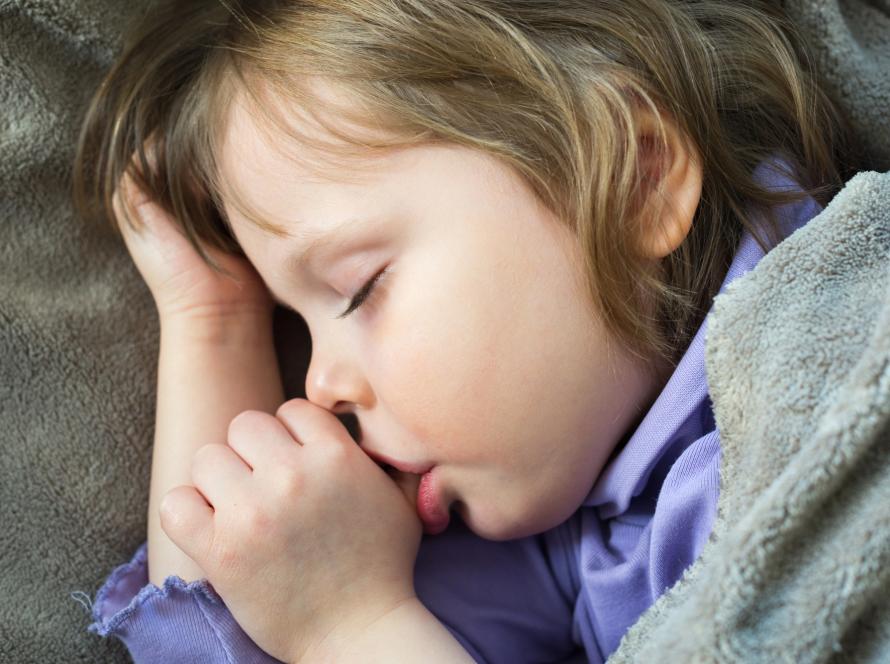
Clenching can happen while a child is awake, particularly during homework, gaming, tests, or other concentration-heavy activities. Sleep bruxism—grinding or clenching during sleep—is different because the child is not consciously controlling it. Stress may contribute, but it is not the only possible factor. Sleep disruption, certain medications, and other health considerations may also be relevant.
The Overlooked “Concentration Clench”
A fresh way to understand school-related bruxism is to look at effort, not only anxiety. A child does not have to appear visibly upset to hold tension in the jaw. Some children press their teeth together when trying hard to solve a problem, avoid making a mistake, or maintain focus in a stimulating classroom.
This “concentration clench” may continue during homework and screen time. Because it is quiet, it can be easier to miss than nighttime grinding.
Children can be gently reminded of a relaxed resting position: lips together, facial muscles comfortable, and upper and lower teeth slightly apart. This should be presented as body awareness—not as another behaviour for which they might be criticized.
Dental Signs That May Reveal an Emotional Pattern
A pediatric dentist may look for several possible signs of repeated grinding or clenching:
- Flattened or unusually worn chewing surfaces
- Small chips or rough tooth edges
- Increased tooth sensitivity
- Tight or tired jaw muscles
- Morning headaches or facial discomfort
- Pain near the ears without an ear infection
- Tooth marks along the tongue or inside the cheeks
- Difficulty opening the mouth comfortably
Not every child who grinds develops dental damage. Occasional grinding can occur without becoming a serious problem. However, recurring pain, broken teeth, disrupted sleep, or noticeable wear deserves professional assessment.
Stress Can Affect Kids’ Oral Health in More Than One Way
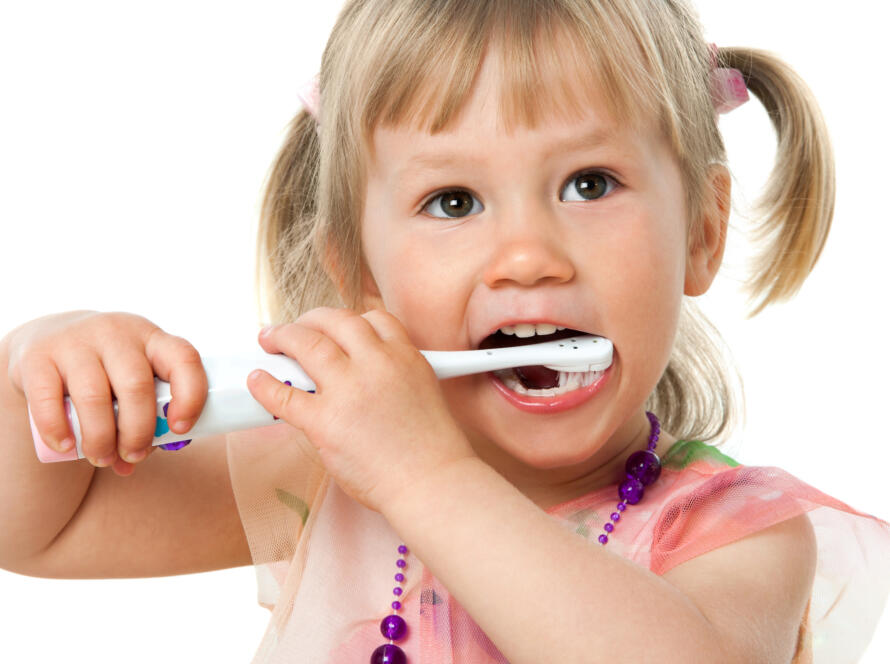
Bruxism is only one part of the picture. A stressful school period can disrupt several protective habits at once. Children may rush morning brushing, forget nighttime brushing after late activities, or snack more frequently for comfort.
The frequency of eating matters because every exposure to fermentable carbohydrates can create another period of acid activity in the mouth. A child who slowly grazes through an evening of homework may give the teeth fewer opportunities to recover between snacks.
Stress-related nail biting, cheek chewing and pencil chewing may also irritate oral tissues or place unnecessary pressure on teeth. Meanwhile, poor sleep can make emotional regulation and consistent children’s dental care routines more difficult the following day.
Look for Patterns, Not a Single Symptom
Families can keep a short “jaw and routine diary” for one or two weeks. Record morning jaw discomfort, headaches, reports of nighttime grinding, stressful school events, bedtime changes, and extended homework periods. Patterns may emerge that would otherwise remain invisible.
This information can help a kid’s dentist distinguish occasional behaviour from a recurring concern. It can also reveal whether the child needs support beyond dental care, such as a conversation with a physician, teacher or mental health professional.
When Should a Pediatric Dentist Be Consulted?
Schedule an evaluation if grinding or clenching is accompanied by persistent pain, tooth sensitivity, visible wear, chipped teeth, difficulty chewing, or interrupted sleep. Snoring, gasping, mouth breathing, or pronounced daytime sleepiness should also be discussed with an appropriate healthcare professional because sleep-related concerns require proper assessment.
Avoid purchasing an adult-style mouthguard without guidance. Children’s mouths and bites are still developing, and an appliance must be selected and monitored appropriately.
School stress may be temporary, but its physical signs should not be dismissed. By recognizing the connection among emotions, habits, sleep, and kids’ oral health, families can respond with curiosity and support before a quiet coping behaviour becomes a painful dental concern.