The holidays are fun, but they’re tough on kids’ teeth. Extra desserts, skipped routines, and late nights all work against proper kids’ oral care. By January, many parents notice sticky plaque, cranky gums, and a general slide in their kids’ oral hygiene. The good news: the New Year is a natural reset point. With school routines coming back and everyone craving structure again, it’s the perfect time to rebuild strong kids’ dental health habits.
What the holidays do to kids’ teeth
December is basically a sugar parade. Cookies, hot cocoa, candy canes, gingerbread houses, and “just one more treat” moments keep sugar in constant contact with teeth. Add travel days, sleepovers, or late nights where brushing gets rushed or skipped, and plaque has a chance to build up fast.
Kids also snack more during school breaks. Frequent grazing means the mouth never gets a break from acid attacks that wear on enamel. By January, you might see signs like mild gum inflammation, morning breath that wasn’t there before, or a fuzzy feeling on teeth that tells you plaque had some extra time to settle.
Why the New Year is the perfect oral health reset
A new calendar feels like a clean slate. Kids are going back to school, routines stabilize, and parents often feel re-energized to get habits back on track. Kids’ oral care fits right into that mindset. A few simple shifts early in January can prevent small holiday issues from turning into actual cavities by spring.
How to “detox” tiny teeth after holiday damage
A dental detox isn’t fancy. It’s simply getting rid of the plaque, sugar habits, and inflamed spots that built up during the break. Here’s what tends to happen after weeks of festivities:
- Plaque buildup: Extra sugar feeds bacteria, which create sticky layers that toothbrushes need a little more effort to remove.
- Early cavity risks: Repeated sugar hits lower the mouth’s pH, which weakens enamel.
- Gum irritation: Inconsistent brushing gives plaque a chance to settle along the gumline, which can make gums red or puffy.
- Enamel stress: Acidic treats, soda, and even citrus during holiday meals can roughen enamel.
A reset this month helps prevent any early problems before they become something your child feels or you can see.
Step-by-step reset strategies for parents
1. Get brushing back on track
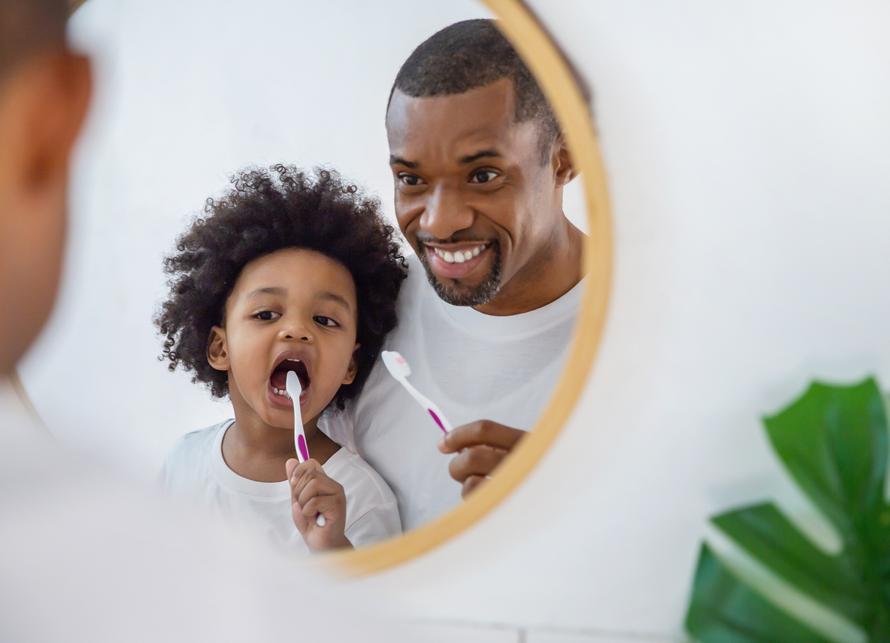
Set brushing times that match your family’s normal school-day rhythm. Kids do best with predictable cues, so tie brushing to something consistent like “after breakfast” and “before putting on pajamas.” Use a timer or song again if that used to help. For kids who got wiggly or defiant over the holidays, sit on the bathroom floor with them for a few nights and make it a calm, low-pressure moment. The goal is consistency, not perfection.
2. Rebuild flossing without a fight
Holiday travel tends to knock flossing off the list. Start small. Tell your child you’ll floss just the front top teeth tonight, then add more each day. Most resistance comes from feeling rushed or overwhelmed, so keep your tone relaxed. If your child is old enough to floss on their own, let them try first, then do a quick “parent check.”
3. Reduce leftover holiday sugar habits
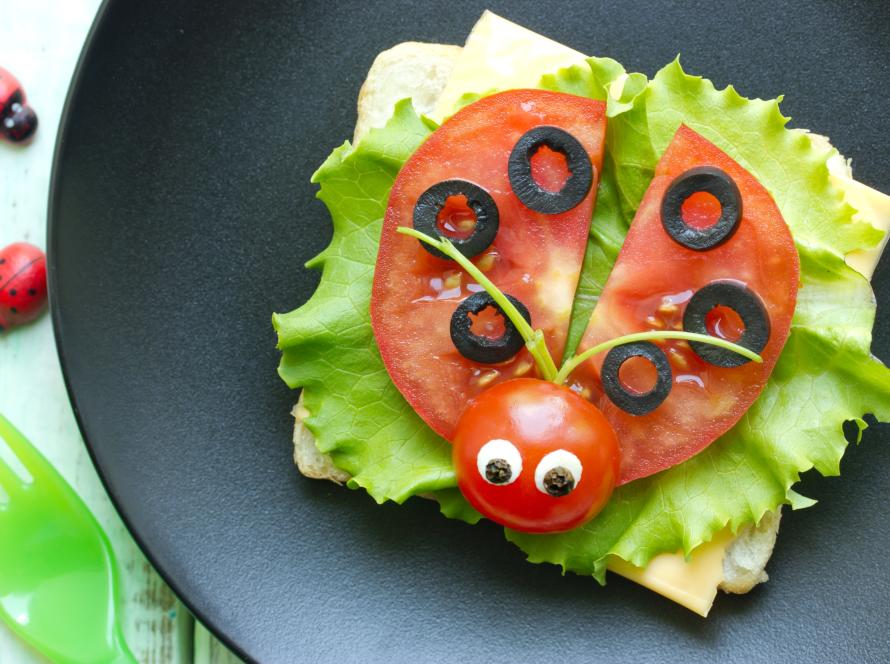
Kids get used to having something sweet after meals in December. To break the cycle, swap sugary snacks with quick alternatives like cheese sticks, apple slices, or popcorn. If your child is still asking for treats, create a simple rule that feels predictable: “One sweet treat after lunch.” Routines help reset cravings just like they help reset sleep.
4. Rehydrate for oral health
Many kids drink less water over the holidays, especially when juice or hot chocolate is more readily available. Water washes away food particles and supports healthy saliva, which protects enamel. Encourage a full water bottle at school and keep water visible at home. If your child complains that water tastes boring, add a few berries or cucumber slices.
5. Replace worn toothbrushes
If your child’s toothbrush looks frayed, January is the ideal time to get a fresh one. Worn bristles don’t clean as well. Let your child pick a color or character to make the reset feel fun. While you’re at it, check toothpaste levels and make sure you’re using fluoride toothpaste appropriate for their age.
When a kid’s dental checkup should happen in January
If your child is due for a cleaning within the next two to three months, January is a good time to schedule it. Dentists can spot early signs of holiday-related issues, such as weakened enamel or tiny cavities, long before they become painful. Early detection keeps kids’ dental health on track and saves you from urgent visits later in the year.
If your child had a lot of sugary drinks, already had early decay noted at their last visit, or complained about tooth sensitivity over the break, aim for a checkup sooner rather than later.
How to emotionally reset kids who fought brushing over the holidays
Many kids push back when routines fall apart. Tantrums, rushed nights, and skipped steps are common. To reset:
- Acknowledge the chaos. A simple “Things were busy during the holidays, but now we’re getting back to normal” helps kids understand the shift.
- Use small wins. Celebrate cooperation, even if brushing wasn’t perfect.
- Keep it calm. If your child refuses, stay steady and try again a few minutes later.
- Give choices. Which toothpaste? Which song? Which cup for rinsing? Choices reduce power struggles.
A few consistent nights can turn things around faster than you’d expect.
January doesn’t need to feel like repair mode. It’s simply a chance to reestablish healthy, manageable habits that support strong kids’ oral hygiene all year long. A small reset now sets your child up for a healthier, easier dental checkup and a fresh start for their smile.