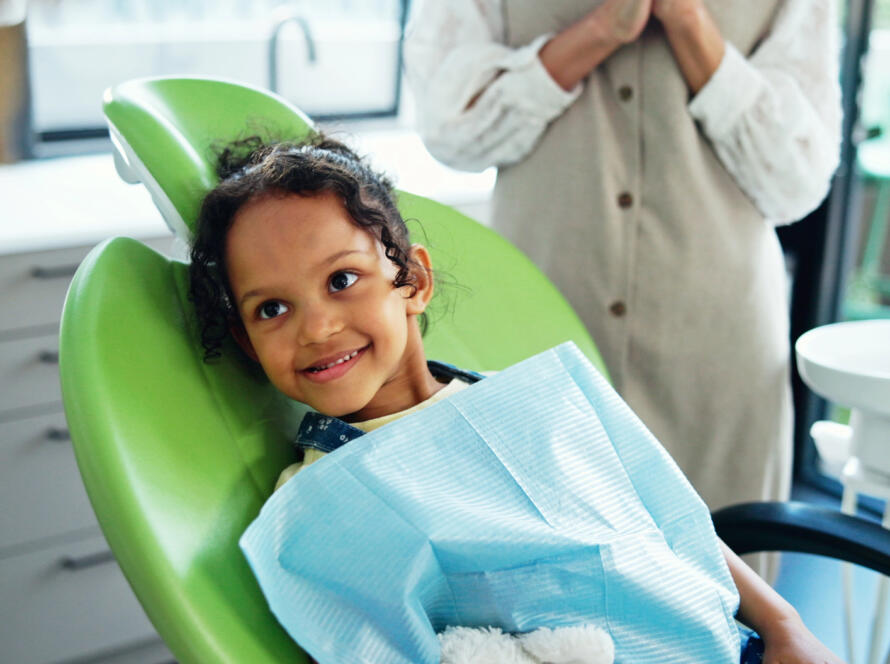
Many parents associate mouth breathing with a stuffy nose during a cold or allergy season. However, when mouth breathing becomes a child’s regular breathing pattern, it can affect more than just sleep quality and energy levels. Ongoing mouth breathing during childhood may affect facial development, oral tissues, tooth positioning, and long-term oral function, underscoring the importance of early awareness in protecting kids’ dental health. (Source: Today’s Parent, Is your kid a mouth breather? It might be time for an intervention, Erin Pepler, August 11, 2022, https://www.todaysparent.com/kids/kids-health/mouth-breathing-health-problems-kids-what-you-need-to-know/).
Woodlawn Kids Dental comments, “Breathing habits are often overlooked during conversations about kids’ oral health because they seem unrelated to teeth at first glance. In reality, a child’s breathing influences how the lips, cheeks, tongue, and jaw interact throughout the day. These subtle forces are constantly shaping a growing mouth, making breathing patterns an important consideration during every stage of childhood development.”
What Is Mouth Breathing? And Is Mouth Breathing Bad for Children?
Mouth breathing occurs when a child primarily breathes through their mouth instead of their nose. While temporary mouth breathing during illness is common, persistent mouth breathing may be linked to nasal obstruction, enlarged tonsils or adenoids, allergies, or habitual breathing patterns that continue even after the original cause has resolved.
Long-term mouth breathing can influence normal growth because nasal breathing naturally supports proper tongue position against the roof of the mouth. When the tongue rests low in the mouth instead, developing structures may receive different muscular pressures over time.
Woodlawn Kids Dental shares, “One of the lesser-discussed aspects of mouth breathing is that it changes the resting environment inside the mouth for hours every year—not just while sleeping. The tongue acts like a natural support system for the developing upper jaw. When that support is absent, the surrounding facial muscles begin to compensate differently, which may gradually influence how the dental arches form during childhood.”
Woodlawn Kids Dental also explains, “Parents often focus on active habits such as thumb sucking because they are easy to notice. Mouth breathing, however, is a passive habit that occurs quietly throughout the day and night. Despite being less obvious, its cumulative effect on oral development can sometimes be equally significant when left unrecognized.”
Are there Negative Effects of Mouth Breathing in Children?
Persistent mouth breathing may contribute to dry oral tissues, increased plaque accumulation, altered jaw development, crowded teeth, altered bite relationships, and increased cavity risk. Reduced saliva, caused by continuous airflow through the mouth, can also create an environment where cavity-causing bacteria thrive more easily.
Additionally, some children who mouth breathe may experience restless sleep, which can indirectly affect daily routines, including maintaining consistent oral hygiene habits.
Woodlawn Kids Dental highlights, “Saliva is one of the mouth’s most valuable protective resources. Beyond simply keeping the mouth comfortable, it continuously washes away food particles, helps neutralize acids, and supports the natural balance of oral bacteria. Chronic mouth breathing reduces this protective moisture, meaning that even children with otherwise good brushing routines may experience additional challenges in maintaining healthy oral tissues.”
Woodlawn Kids Dental expresses, “Another important consideration is that dry tissues tend to become more sensitive to irritation. Children who frequently wake with a dry mouth may also become less enthusiastic about brushing tender gums or sensitive teeth first thing in the morning, creating small behavioural changes that can gradually influence overall oral hygiene consistency.”
Signs Your Child Is a Mouth Breather
Parents may notice symptoms such as an open mouth while sleeping, snoring, dry lips, bad breath, restless sleep, frequent thirst upon waking, or daytime fatigue. Some children may also display changes in facial posture, including lips that remain apart even while relaxed.
Because these signs develop gradually, they can easily become a family’s “normal” without raising immediate concern.
Woodlawn Kids Dental mentions, “An often-overlooked observation is how a child rests between activities. During quiet moments like watching television, reading, or colouring, healthy nasal breathing usually occurs effortlessly with relaxed lips. If a child consistently sits with their mouth open even when calm, it may be worth paying closer attention to that breathing pattern.”
Woodlawn Kids Dental comments, “Regular kids’ dental checkup appointments can sometimes reveal subtle changes that develop over time rather than appearing suddenly. Small differences in tooth wear, gum hydration, bite development, or the shape of the palate may collectively provide valuable clues that encourage further discussion about breathing habits alongside overall kids’ oral health.”
How to Treat Mouth Breathing in Children
Treatment depends on identifying the underlying cause. Medical evaluation may determine whether allergies, enlarged tonsils, adenoids, nasal congestion, or other airway concerns are contributing factors. Once those issues are addressed, some children may benefit from guidance that helps reinforce healthy nasal breathing habits and proper tongue posture.
Because growing facial structures are still developing throughout childhood, identifying concerns early may allow natural growth to progress more favourably.
Woodlawn Kids Dental explains, “Successful management often involves looking beyond a single symptom. Breathing patterns, tongue posture, swallowing habits, facial muscle balance, sleep quality, and oral development all interact with one another. Considering these factors together creates a more complete picture of how a child’s mouth is growing rather than viewing each concern in isolation.”
Woodlawn Kids Dental shares, “Parents sometimes expect visible improvement immediately after an underlying airway concern has been addressed. However, children may continue breathing through their mouths simply because the habit has become deeply established. Developing new breathing patterns often requires consistency and patience while the muscles adapt to healthier resting positions.”
Breathing Easy in Adulthood
Many adults who experience chronic mouth breathing can trace the pattern back to childhood. Since facial growth is largely completed later in life, identifying concerns during childhood may help reduce the likelihood that certain developmental changes will become more established.
Healthy breathing patterns established early may continue supporting lifelong oral comfort and overall wellness.
Woodlawn Kids Dental notes, “Childhood growth offers a unique window where small functional habits can influence long-term development. Encouraging healthy breathing early is not simply about preventing future dental concerns—it supports the natural relationship between breathing, facial growth, oral comfort, and everyday function as children mature.”
Mouth breathing is far more than a temporary childhood habit when it becomes persistent. Because breathing patterns influence oral tissues, jaw growth, saliva production, and facial development, recognizing the signs early can play an important role in supporting lifelong kids’ oral health.
Woodlawn Kids Dental concludes, “Conversations about children’s oral health continue to evolve beyond simply counting cavities. Understanding how everyday functions such as breathing influence developing smiles encourages a broader perspective on prevention, allowing parents to recognize subtle habits that may have meaningful long-term effects on oral development.”