September brings packed lunches, classroom snack breaks, and quick bites between school and after-school activities. While candy and pop are familiar dental concerns, several foods commonly viewed as convenient, nutritious, or harmless can also affect children’s teeth in unexpected ways.
A snack’s dental impact is not determined by sugar content alone. Its acidity, texture, frequency of consumption, and ability to remain lodged around the teeth all matter. Understanding these less-obvious risks can help families make more informed lunch-bag choices without treating every favourite food as forbidden. (Source: Today’s Parent, 6 snacks that are surprisingly bad for kids’ teeth, By Cara Rosenbloom, Updated August 16, 2019, https://www.todaysparent.com/family/family-health/snacks-that-are-surprisingly-bad-for-kids-teeth/).
Woodlawn Kids Dental explains, “Back-to-school snacks are often selected according to convenience, portability, and whether children will actually eat them. However, foods that are acidic, starchy, sticky, or extremely hard can create different concerns for kids’ oral health. The goal is not to eliminate every cracker, pickle, or gummy snack. It is to recognize how each food behaves in the mouth and reduce repeated exposure throughout the school day.”
1. Citrus Fruits
Oranges, grapefruit, and other citrus fruits provide valuable nutrients, but their natural acidity can temporarily soften tooth enamel. The concern increases when children slowly eat citrus segments throughout the day or frequently sip lemon-infused water.
Woodlawn Kids Dental comments, “Citrus fruit is generally better included with a complete meal than treated as an all-afternoon grazing snack. Eating it alongside other foods limits the acidic exposure to one defined period rather than repeatedly restarting it. Children can drink plain water afterward and wait approximately 30 minutes before brushing. Brushing immediately after consuming an acidic food can place unnecessary friction on temporarily softened enamel.”
2. Crackers and Potato Chips
Crackers and potato chips may not taste especially sweet, but their processed starches begin breaking down into sugars in the mouth. Chewing can also turn them into a soft paste that becomes packed into molar grooves and between closely spaced teeth.
Woodlawn Kids Dental highlights, “The surprising issue with crackers is their disappearing texture. They appear to dissolve quickly, yet the resulting paste can remain in areas a child may miss when brushing. Because crackers and chips are rarely viewed like sweets, children may graze on them more frequently than obvious treats. Pairing a measured serving with cheese, crunchy vegetables, or plain water is more tooth-conscious than allowing repeated handfuls throughout the afternoon.”
3. Pickles
Pickles may contain little sugar, but their vinegar-based brine creates an acidic environment that can temporarily soften enamel. Sweet pickles and certain flavoured varieties may also contain added sugars, combining acidity with carbohydrates that oral bacteria can use.
Woodlawn Kids Dental explains, “The crunch of a pickle can make it seem tooth-friendly, but texture does not cancel out the acidity of its brine. The greater concern is repeated exposure because the mouth needs time to neutralize acids after every serving. Packing pickles with lunch creates one defined exposure, whereas eating them at lunch, after school, and again with dinner repeatedly restarts that acidic period. Children can drink water afterward and wait before brushing to avoid placing friction on temporarily softened enamel.”
4. Popcorn
Plain popcorn can be a reasonable snack, but hard, unpopped kernels may crack or chip a tooth. Its thin hulls can also become trapped between teeth or beneath the gumline. Caramel coatings and flavoured seasonings may introduce additional sugar, stickiness, or acidity.
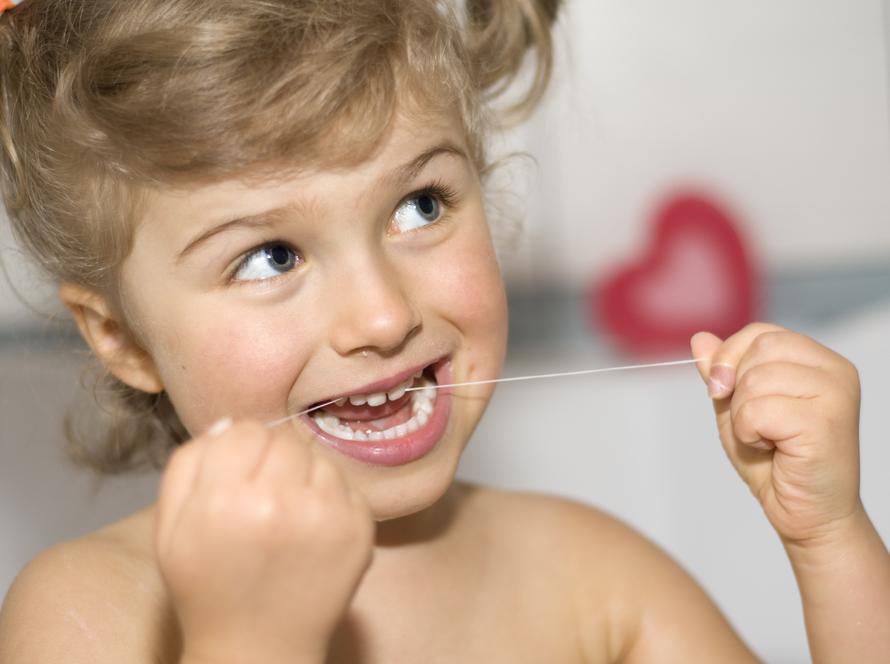
Woodlawn Kids Dental shares, “Popcorn presents risks that are partly mechanical rather than sugar-related. Children should be reminded not to bite unpopped kernels, even if they enjoy the crunch. If a hull becomes lodged around the gums, gentle flossing is safer than attempting to remove it with fingernails or sharp objects. Tenderness, swelling, or bleeding that continues after the area has been cleaned may indicate irritation that deserves attention during a kids’ dental checkup.”
5. Ice Cubes
Chewing ice is common after a child finishes a cold drink. Although ice contains no sugar or starch, its hardness can place sudden pressure on enamel, fillings, and teeth that already contain small cracks or weakened areas.
Woodlawn Kids Dental expresses, “Sugar-free does not automatically mean tooth-safe. Ice can create small enamel fractures or damage a tooth with an existing weak point. The risk becomes greater when chewing ice is an everyday habit rather than an occasional action. A persistent craving for ice may also be associated with iron deficiency, so it is worth mentioning to a healthcare provider instead of treating it solely as a harmless preference.”
6. Gummy Lunch-Bag Snacks
Fruit gummies, fruit leathers, and chewy granola products are often marketed with fruit imagery, yet many contain concentrated sugars and have a texture that clings to teeth. Even products made with fruit purée or juice concentrate can repeatedly feed acid-producing bacteria when eaten frequently.
Woodlawn Kids Dental mentions, “The word ‘fruit’ can create a health halo that does not reflect how a packaged snack behaves around the teeth. Whole fruit contains water and fibre and generally requires more active chewing. Gummy products can press concentrated carbohydrates into molar grooves and between teeth, where they may remain after the snack is finished. For everyday kids’ oral health, less-retentive choices such as whole fruit, vegetables, cheese, or plain yogurt are generally more practical.”
Back-to-school snack planning does not require banning citrus fruit, crackers, pickles, popcorn, or the occasional gummy. A more useful approach is to consider how frequently a child eats, how long the food remains around the teeth, and whether it is acidic, sticky, starchy, or hard enough to cause damage.
Woodlawn Kids Dental notes, “Keeping snacks to defined times allows saliva an opportunity to neutralize acids between eating occasions. Water can help clear loose particles, while consistent brushing and flossing remove residue that rinsing cannot reach. A children’s dentist can also identify early enamel changes, food-trapping areas, or developing cavities during a kids’ dental checkup. Small changes to snack combinations and timing can support children’s teeth without making school lunches unnecessarily restrictive.”