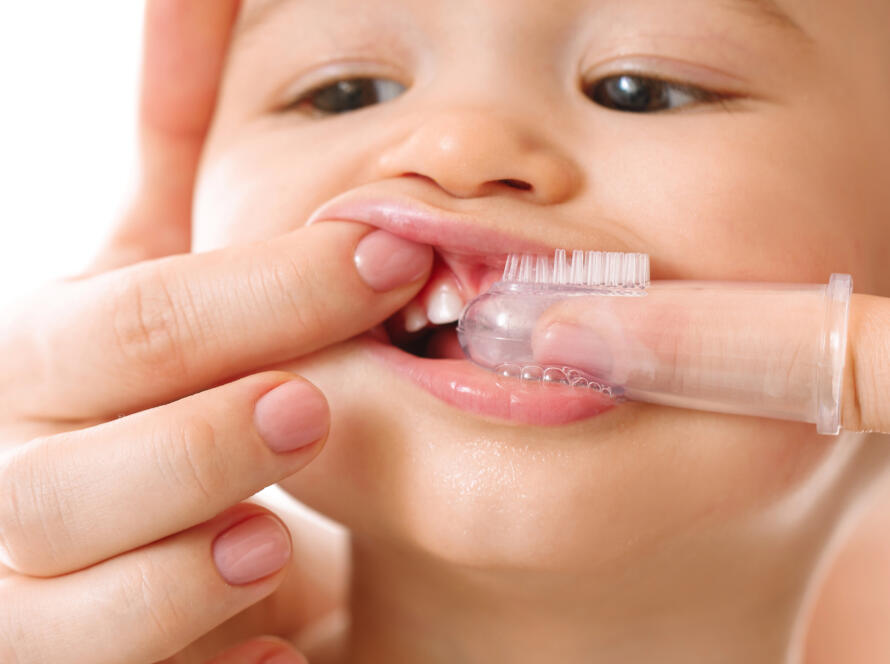
Thumb sucking after age five deserves a calm conversation with your child’s dentist, especially if permanent teeth are arriving or the bite is changing. A children’s dentist perspective on thumb-sucking after age five focuses on protecting dental health without turning a comforting habit into a battle. Today, we share what to watch for and how to help your child stop, using encouragement rather than shame.
Why do children continue thumb-sucking after age five?
Children may continue because sucking provides comfort, helps them settle for sleep, or happens automatically during quiet activities. Understanding what the habit does for your child gives you a better starting point than simply asking them to stop. It is understood and recognized that thumb-sucking is a self-comforting behavior that can persist into middle childhood.
Possible reasons and triggers include:
- Bedtime associations: Sucking may be part of the familiar sequence that helps a child fall asleep.
- Stress or uncertainty: A child may seek comfort when upset, worried, or adjusting to change.
- Boredom: Quiet stretches without much activity can invite the habit.
- Tiredness or hunger: Notice whether sucking appears when your child needs rest or food.
- Established routines: Watching television or cuddling a favorite blanket may be linked with sucking.
Start with curiosity: “I notice your thumb helps you feel cozy. What else could we try?” Rather than labeling the habit an “oral fixation,” describe what you actually observe. Bring broader child development concerns to your pediatric dentist and pediatrician instead of trying to diagnose them from this behavior alone.
When does thumb-sucking become a dental concern?
After age five, ongoing thumb-sucking warrants dental assessment even if your child has no pain. Strong sucking can affect tooth alignment and the shape of the mouth, and concern increases as permanent front teeth emerge. A thumb resting passively in the mouth generally creates less risk than vigorous sucking.
Arrange an appointment if you notice protruding front teeth, changes in how the teeth meet, or changes in the roof of the mouth. Do not assume baby teeth are unaffected: forceful sucking can alter their alignment, too. Your dentist can assess whether the habit is influencing your child’s bite.
Sore skin, calluses, or possible infection around the thumb also deserve attention. Separately, seek support if your child feels embarrassed or distressed about the habit. These are reasons to help, not reasons to punish.
Observe patterns without policing your child
Try a brief, private observation log before the appointment. Record when sucking happens, approximately how long it lasts, and whether it looks vigorous or passive. These notes can make your discussion more concrete without asking your child to monitor every movement.
Use this checklist as a conversation aid, not a home diagnosis:
- Teeth: Note visible changes in front-tooth position or how the teeth come together.
- Thumb: Look for soreness, damaged skin, or calluses.
- Context: Record whether sucking follows tiredness, frustration, boredom, or bedtime.
- Comfort: Ask whether your child wants help stopping or feels worried about trying.
You cannot confirm at home that thumb-sucking caused a particular dental change. Share your observations with a children’s dentist rather than repeatedly inspecting your child’s mouth or predicting that braces will be necessary.
Creative parenting tips for a cooperative plan
Supportive behavior modification means practicing an alternative and recognizing success—not catching mistakes. Involve your child in choosing the approach, and begin with one manageable situation. Praise, gentle reminders, and rewards are recommended strategies for helping children change sucking habits.
Try adapting these ideas together:
- Become “habit detectives.” Draw a simple day map with pictures for school, play, television, and bedtime. Ask your child to identify when their thumb usually visits their mouth. Choose one setting to practice first.
- Create a busy-hands basket. For daytime quiet activities, offer drawing materials, building toys, or an age-appropriate squeeze toy. Let your child select the activity instead of having their hand repeatedly pulled away. Keeping hands occupied can help when boredom triggers sucking.
- Design a comfort menu. Write or draw alternatives such as hugging a stuffed animal, asking for a cuddle, or talking about a frustration. Offer comfort before asking your child to give up their familiar soothing method.
- Make progress visible. Decorate a chart for an agreed daytime practice period, such as listening to a story without sucking. Offer a sticker and specific praise for success; avoid an all-day perfection target. Star charts and daily rewards can support positive reinforcement.
- Choose a secret reminder. Agree on a quiet word or hand signal that means “try your alternative.” Keep it friendly and private. Stop any approach that makes your child frightened or tense.
Professional support when home strategies stall
Ask your child’s dentist to explain the habit’s effects in child-friendly language and review the plan with your child. If encouragement is not enough, the dentist may discuss a reminder device or dental appliance. Avoid choosing bitter coatings or thumb guards without professional guidance about suitability and safe use.
Stopping does not guarantee that every bite change will resolve. Some changes may improve after the habit ends, particularly before permanent front teeth arrive; persistent problems may require orthodontic care. Follow-up helps establish what your child actually needs.
The takeaway: protect teeth and preserve trust
For kids’ dental health, combine observation, a dental assessment, and a plan your child helps choose. Keep kids’ dental care encouraging: recognize practice, offer comfort, and leave shame out of the process. Persistent thumb-sucking deserves support—not a power struggle.