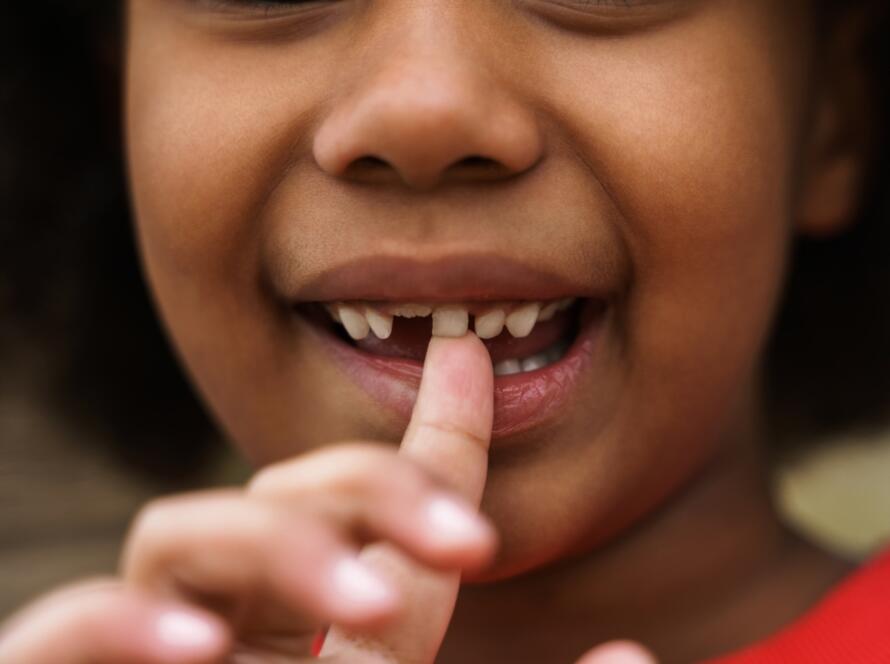
Recovery after a tooth extraction for kids involves more than waiting for soreness to settle. Eating, brushing, and understanding unfamiliar sensations can require temporary adjustments. Woodlawn Kids Dental shares perspectives on helping families navigate this period with practical instructions, encouragement, and attention to changes in comfort. (Source: Colgate, Pain After Having a Tooth Removed: Tips for Kids, https://www.colgate.com/en-gb/oral-health/tooth-removal/pain-after-having-a-tooth-removed-3-tips-to-help-your-kids-keep-brushing).
A children’s dentist provides aftercare directions based on the procedure and the child’s needs. These instructions help parents support kids’ oral health while protecting the healing area.
Woodlawn Kids Dental explains, “Children may use the word ‘pain’ to describe several sensations: numbness, pressure, tenderness, or a strange feeling where the tooth used to be. Invite them to describe what they notice without suggesting an answer. Asking, ‘Does it feel sore, tingly, or different?’ can make the conversation easier. Their description, together with changes in eating, drinking, and behaviour, helps parents communicate useful information to the dental team.”
Follow the Dentist’s Instructions
Aftercare instructions should guide medication, food choices, activity, and cleaning. Customized dental treatment also means recovery advice may differ between children; instructions from a previous extraction should not automatically replace the current plan.
Woodlawn Kids Dental shares, “Turn the dentist’s directions into a simple recovery routine that every caregiver can follow. Record medication names, doses, and administration times rather than relying on memory during a busy evening. Use only recommended medication and age-appropriate dosing. If instructions are unclear, ask before making changes. A wrapped cold pack against the cheek may provide comfort when recommended, with breaks and supervision to protect the skin.”
Food and drink should be manageable without disturbing the extraction site. Soft options such as yogurt, scrambled eggs, and mashed potatoes can provide variety, while water supports hydration.
Woodlawn Kids Dental comments, “Offer a small choice between suitable foods so children retain some control over their day. Wait until the numbness wears off before offering hot food or drinks, as children may not feel the heat and could accidentally burn their lips, tongue, or cheeks. Explain that the healing area needs to remain undisturbed, much like a covered scrape. Children should avoid probing it with fingers or their tongue. Follow the dentist’s specific directions about straws, rinsing, and brushing nearby.”
Numbness also requires attention because children may bite soft tissues without realizing it.
Woodlawn Kids Dental highlights, “A numb lip can feel unusually large even when it looks normal. Explain that this temporary sensation does not mean something needs to be chewed or tested. Keep an eye on lip, cheek, and tongue biting as the freezing wears off.”
Use Positive Reinforcement
Encouragement can help children participate in recovery without turning comfort into a performance. Praise should recognize manageable actions, such as accepting help with brushing or explaining when something hurts.
Woodlawn Kids Dental mentions, “Make the goal cooperation, rather than silence about pain. Saying, ‘Thank you for showing me where it feels sore,’ reinforces communication. Avoid rewarding children for being ‘brave’ if that could suggest they should hide discomfort.”
Rest and reassurance belong alongside practical care. Books, drawing, or a familiar film can provide a comfortable pause while children recover.
Woodlawn Kids Dental adds, “Before brushing, explain the next step in one short sentence and agree on a pause signal. This gives children a way to communicate without pulling away suddenly. Keep the interaction calm and brief, and follow instructions about cleaning around the healing area.”
Don’t Give Up: Sensitivity Should Gradually Ease
Tenderness commonly improves over the first few days, although recovery varies with the procedure. Maintaining appropriate oral hygiene supports kids’ oral health, but worsening symptoms should not be dismissed as something a child simply needs to tolerate.
Woodlawn Kids Dental explains, “Look at the direction of recovery rather than expecting every hour to feel identical. Is drinking becoming easier? Is the child sleeping more comfortably? A brief note can help identify improvement or explain concerns to the dentist. Continue cleaning as directed; if discomfort repeatedly prevents it, request advice rather than forcing brushing near the socket.”
Parents should contact the dentist immediately if there is worsening pain, persistent bleeding, fever, or increasing swelling.
Woodlawn Kids Dental emphasizes, “An emergency pediatric dentist can assess urgent dental concerns. Difficulty breathing or swallowing requires immediate care.”
A comfortable recovery combines clear directions, manageable routines, and opportunities for children to describe their needs. Questions about healing can also inform a future kids’ dental checkup.
Woodlawn Kids Dental concludes, “Support recovery one practical step at a time. Help children drink, rest, and clean their teeth as instructed, while watching how comfort changes. Reassurance works best when children know their discomfort will be heard and their questions are welcome.”