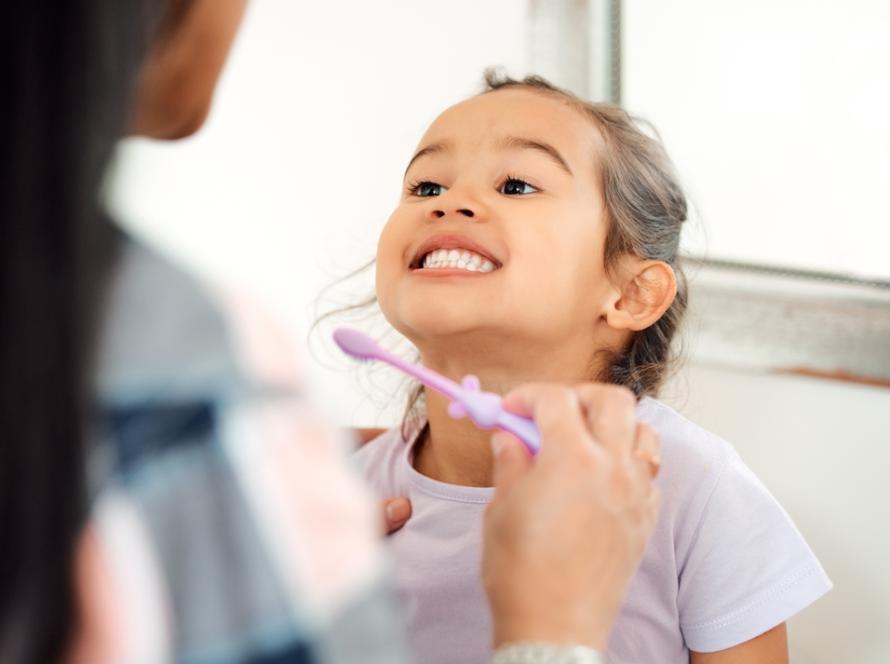
Parents often come to a pediatric dentist looking for answers about feeding issues, speech delays, or a child who struggles to brush without discomfort. Sometimes the root of the problem is a tongue or lip tie. Laser tie release can be a helpful solution, but it works best when it sits inside a broader, thoughtful plan. Good care isn’t just about fixing one issue. It’s about understanding the whole child and how each part of the mouth affects daily life.
That’s where kids’ customized dental treatment makes a real difference. Instead of treating a tie in isolation, a children’s dentist looks at how it connects to growth, habits, and long-term oral health.
Why ties matter
A tongue or lip tie happens when the thin tissue under the tongue or lip is tighter or shorter than usual. Some kids eat more slowly, have trouble nursing, or avoid certain foods. Older children might speak with extra effort or struggle to clean their teeth well. While not every tie needs treatment, the ones that limit normal movement can create stress for both kids and parents.
A pediatric dentist trained in evaluating ties won’t rely on a single sign. They’ll watch how the tongue moves, assess feeding history, listen to speech patterns, and look at how the gums and teeth are developing. This full picture helps families avoid unnecessary procedures and ensures that any treatment chosen supports long-term function.
Where laser treatment fits
Laser tie release has become popular because it’s precise and gentle. Bleeding is minimal, healing is quick, and the laser avoids the snipping sensation that can make children nervous.
But even the smoothest procedure is only one step. A release is most helpful when paired with exercises that strengthen the tongue and lips, guidance for feeding, and follow-up visits. Without this support, the tissue can tighten again, or the child may not learn to use their new range of motion.
This is why a children’s dentist builds a plan instead of offering a single appointment. The goal is to help the child eat, speak, and clean their teeth with confidence, not simply to cut a piece of tissue.
Seeing the bigger dental picture
Tongue and lip ties affect more than feeding and speech. They can influence how the jaws grow and whether teeth crowd. A tongue that can’t rest against the roof of the mouth may contribute to an open bite or narrow palate over time. A tight upper lip tie can make brushing uncomfortable, leading to more plaque buildup around the front teeth.
A pediatric dentist looks for these connections early. When ties are treated as part of kids’ customized dental treatment, families get advice that goes beyond the procedure. This might include tips for brushing sensitive areas, discussions about breathing and posture, or referrals to speech or feeding specialists.
Tailoring care for each child
No two kids are the same. Some babies need immediate help because feeding is hard from day one. Others do fine as infants but hit obstacles when they start speaking or chewing tougher foods. Some children have ties but show no symptoms at all.
A thoughtful plan starts with a conversation. A children’s dentist will ask about daily life. Are meals stressful? Does brushing cause tears? Does your child seem frustrated when trying new sounds? These questions guide the exam and keep the focus on solutions that fit your family’s needs.
For many kids, the best plan includes gradual steps. A family might start with tongue and lip exercises. They might work with a lactation consultant, a speech therapist, or an occupational therapist. The dentist might recommend watching and waiting if the tie isn’t causing trouble. When a laser release is the right choice, it becomes one piece of a well-rounded plan.
What parents can expect after a release
After the procedure, kids often need gentle stretches and simple exercises. These help the tissue heal in a way that keeps the new movement. Your pediatric dentist will show you exactly what to do and how often, and they’ll tailor it based on your child’s age and temperament.
You might notice changes quickly. Babies may latch more deeply. Toddlers might start exploring new foods. Older kids sometimes feel more coordinated while speaking. But the process is gradual, and every child adapts differently. Follow-up visits and exams help track progress and make any needed adjustments.
Building comfort and confidence
Beyond the technical steps, kids need to feel safe. A children’s dentist designs visits with this in mind. They use clear, simple language, show tools before using them, and move at a child’s pace. When care is personal, kids build trust, which makes future visits easier.
This matters because the treatment is part of ongoing dental health. Cleanings, checkups, cavity prevention, and guidance on habits like thumb sucking all play into how a child grows. A dentist who knows your child well can recognize small changes before they become bigger issues.
The value of customized care
Tongue and lip tie treatment shouldn’t stand alone. It works best when woven into a thoughtful plan that supports feeding, speech, comfort, and long-term growth. With kids’ customized dental treatment, families receive care that respects the whole child.
If you’re unsure whether your child has a tie or you’re wondering what step to take next, start with a consultation. A pediatric dentist will listen first, examine carefully, and help you build a plan that supports healthy development. When care is personal, kids thrive. Connect with Woodlawn Kids Dental today for more information.