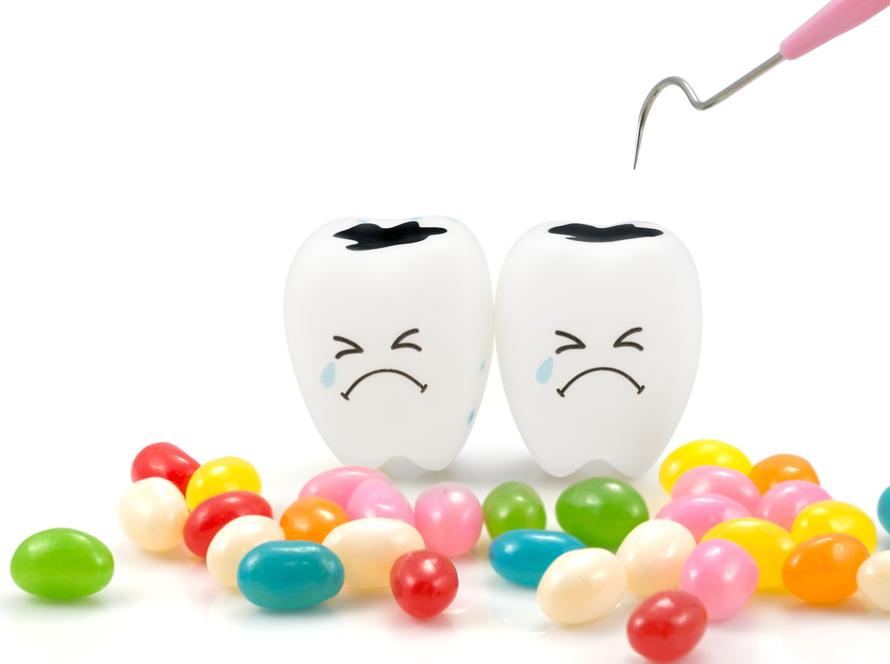
The holidays bring excitement, sugar, surprises—and often, stress. While we focus on gifts, travel plans, and family gatherings, kids absorb all the changes happening around them. What many parents don’t realize is that holiday stress can show up in one surprising place: their child’s smile.
Kids’ oral health isn’t just about brushing and flossing—it’s a window into their emotional well-being. One key red flag? Bruxism, or teeth grinding, which often ramps up during stressful times like the holiday season.
Let’s unpack how emotional stress and routine disruptions affect kids’ dental care, what signs to look for, and how simple bedtime rituals can make a big difference.
Stress, Sleep, and Grinding: What’s the Link?
Children may not have the words to express stress, but their bodies speak for them. During times of emotional overload—think overstimulation, travel, late bedtimes, or visiting relatives—kids often internalize their anxiety. One common outlet is nighttime tooth grinding.
Bruxism in children typically happens during sleep and can go unnoticed for a while. But if left unchecked, it can lead to real issues with kids’ oral health:
- Worn enamel
- Increased tooth sensitivity
- Jaw soreness or facial pain
- Headaches upon waking
Stress isn’t the only culprit. Disrupted sleep schedules, sugar overload, and overstimulation during the holidays all contribute. But emotional strain—especially if your child is anxious or overwhelmed—is often the root cause.
Subtle Signs Parents Might Miss
Many signs of bruxism are easy to overlook. Kids might not complain until there’s noticeable pain—or they might not complain at all. A pediatric dentist is able to spot these subtle issues, which can be a huge help, especially during or after a chaotic season like the holidays.
Here are a few signs to watch for:
- Morning jaw soreness: If your child rubs their jaw or says it “feels tired,” that’s a clue.
- Chipped or flattened teeth: A sign of enamel wearing down.
- Complaints of earaches or headaches: These can stem from jaw tension.
- Audible grinding: You might even hear it while they sleep.
Even if these signs are subtle, they’re worth mentioning during your child’s next visit to the pediatric dentist. Early intervention can prevent long-term damage.
Why the Holidays Trigger Dental Stress
The holiday season flips kids’ routines upside down. Late nights, skipped naps, sugary treats, and unfamiliar environments all add pressure. Even “fun” things—like big family dinners or photos with Santa—can be overstimulating for sensitive kids.
For children who thrive on structure, this time of year can feel chaotic. And while adults might blow off steam by venting, exercising, or zoning out on social media, kids often don’t have coping strategies. Their stress builds quietly—and sometimes shows up as nighttime teeth grinding.
Calm Bedtime Rituals to Protect Little Smiles
The good news? You can protect your child’s smile without fancy gadgets or treatments. One of the most effective tools is also one of the simplest: a calming bedtime routine.
Winding down at night reduces cortisol (the stress hormone) and promotes deeper, more restful sleep. That’s key in preventing bruxism.
Try incorporating these steps into your evening routine:
- Limit screen time before sleep – Blue light can stimulate the brain and delay melatonin production. Aim to power down screens at least 30–60 minutes before bedtime.
- Introduce calming activities – Think warm baths, gentle stretching, soft music, or storytime. Let your child choose what feels comforting to them.
- Stick to a regular bedtime schedule – Even during the holidays, try to maintain consistent bed and wake times.
- Watch the sugar – Holiday treats are everywhere, but try to limit candy and desserts close to bedtime. Sugar can spike energy levels and disrupt sleep.
- Create a quiet sleep environment – A cool, dark, and quiet room helps kids sleep better and reduces the chances of nighttime grinding.
When to Call the Pediatric Dentist
If you’re noticing signs of bruxism—or if your child seems especially anxious this holiday season—it’s a good idea to schedule a check-up with your pediatric dentist. They can:
- Examine your child’s teeth for signs of enamel wear
- Check for jaw or bite misalignment that could worsen grinding
- Offer mouth guards if needed (though often not necessary in young kids)
- Talk with you about behavioral strategies to reduce stress and protect kids’ oral health
The earlier these signs are caught, the easier they are to manage.
Emotions Matter in Kids’ Dental Care
Holiday stress is real, even for little ones. As parents, it’s easy to focus on the visible stuff—brushing habits, flossing, dental check-ups. But emotional health plays a huge role in kids’ oral health, too.
By paying attention to subtle signs, sticking to calming routines, and partnering with your pediatric dentist, you can help protect those little smiles—not just during the holidays, but all year long.