When the temperature drops and the cozy heat kicks on, most parents are focused on bundling up their kids to keep colds and flu at bay. But there’s a lesser-known winter health risk flying under the radar: the impact of dry indoor air on kids’ dental health. Cracked lips, dry mouths, and a drop in natural saliva production create the perfect storm for cavities to form—and few parents realize it’s happening right under their noses.
Dry Winter Air + Indoor Heating = Dental Trouble
Winter air is already dry, and indoor heating systems make it worse. Forced-air heating, fireplaces, and space heaters all strip moisture from the air. This doesn’t just dry out your child’s skin—it also reduces the moisture in their mouth.
Saliva is the body’s natural defense system against cavities. It helps wash away food debris, neutralizes acids, and supports healthy oral bacteria. When saliva production slows down—often due to dehydration and dry air—your child’s teeth lose a major protective shield.
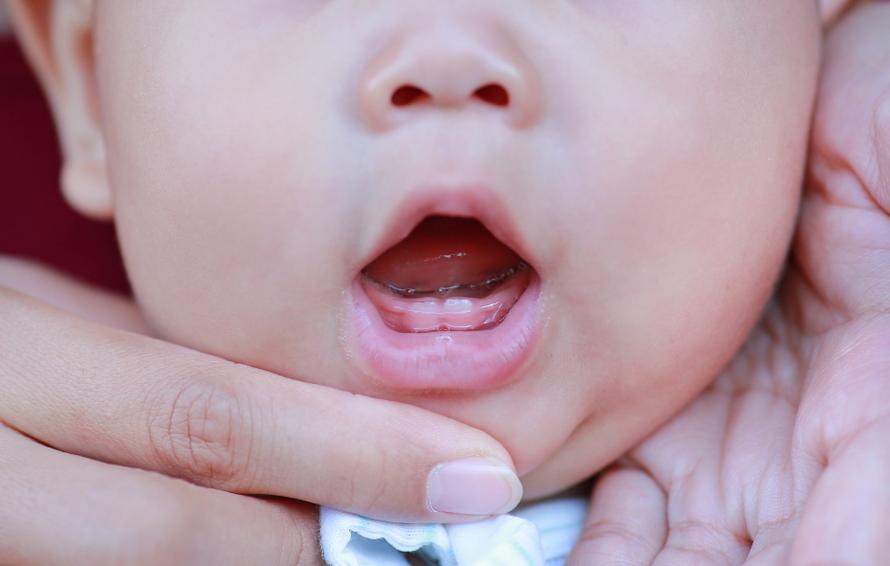
A dry mouth can also result in mouth sores, bad breath, and even difficulty swallowing. And because kids often sleep with their mouths open (especially if they’re a bit stuffy from the cold), nighttime dryness is even worse.
What Dry Mouth Looks Like in Kids
Parents might spot signs of winter-related dry mouth without realizing what they’re seeing. Watch for:
- Chapped or cracked lips
- Increased thirst
- Complaints of a sticky or dry mouth
- Morning bad breath
- White film or dryness on the tongue
- More frequent cavities or plaque buildup
If your child is showing any of these signs, it’s time to take action to protect their oral health before it becomes a bigger issue.
The Cavity Connection
Reduced saliva doesn’t just make your child uncomfortable—it increases their risk of tooth decay. Cavities form when food particles, sugars, and bacteria linger on teeth. Normally, saliva helps rinse these away and keeps the pH level of the mouth balanced. But in the dry winter months, less saliva means more acid, more plaque, and more trouble.
Many pediatric dentists see a spike in cavities during or right after the winter season. It’s not just the holiday sweets to blame—dry air and dehydration are silent contributors as well.
Simple, Smart Ways to Combat Dry Mouth
The good news? A few gentle tweaks to your home routine can go a long way toward protecting your child’s teeth during winter. Here’s how to support better kids oral care through the colder months:
1. Hydrate All Day (Not Just at Mealtimes)
Many kids don’t feel thirsty in winter, but their bodies still need plenty of water. Keep a reusable water bottle handy and encourage small sips throughout the day. Make hydration fun with stickers on bottles, silly straws, or mini water challenges.
2. Use a Nighttime Humidifier
This is a game-changer. A cool-mist humidifier in your child’s bedroom restores moisture to the air while they sleep, reducing nighttime mouth breathing and keeping lips and mouths from drying out.
Just remember to clean the humidifier routinely to prevent mold and bacteria buildup.
3. Moisturize Lips Often
Cracked lips aren’t just uncomfortable—they’re also a sign that the whole mouth is getting dry. Apply a gentle, kid-safe lip balm throughout the day and especially before bedtime.
4. Watch the Heat
Don’t overheat the house. Keeping the thermostat slightly lower at night can help preserve moisture in the air and protect your child’s mouth.
5. Stick to a Strong Oral Hygiene Routine
Brushing twice a day with a dentist-recommended fluoride toothpaste and flossing once a day is non-negotiable in the winter. Make brushing fun with songs, apps, or a small reward chart. If your child struggles with dry mouth, ask your pediatric dentist about incorporating a fluoride rinse or xylitol-based products to support saliva production.
6. Limit Sugary Snacks (Especially Before Bed)
Kids snack more when they’re indoors all day. Try to offer water-rich fruits (like apples or oranges) and raw veggies over processed snacks. And never let kids go to bed without brushing—especially if they’ve had anything sugary or starchy.
Don’t Wait—Talk to Your Pediatric Dentist
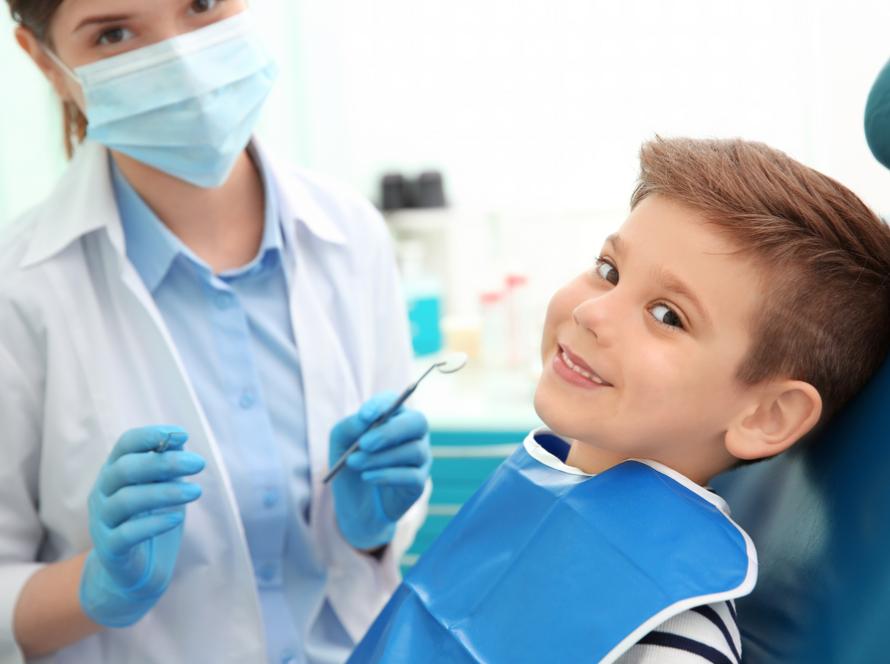
If you’re seeing signs of dry mouth or an uptick in cavities, it’s worth scheduling a check-in with your pediatric dentist. They can catch early issues, suggest saliva-boosting products, and give you tips tailored to your child’s specific needs.
Winter doesn’t have to mean dental damage. With a few simple changes, you can keep your child comfortable, hydrated, and smiling all season long.
Your home might feel warm and cozy, but your child’s mouth might be drying out every night. Don’t let winter air quietly sabotage your child’s oral health. Stay ahead of the curve with smart kids oral care habits and a little extra moisture in the mix.