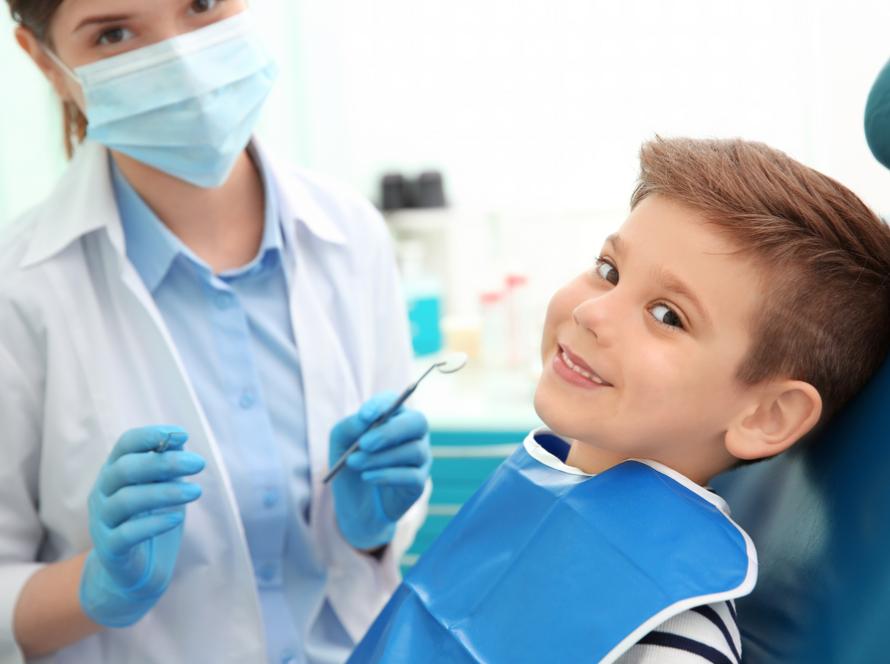
January looks quiet on the surface, but it’s one of the most important months of the year for kids’ dental care. The holidays leave most families worn out and off schedule, and dental routines are usually the first to slip. Sugar climbs, brushing drops, late nights pile up, and water is replaced with treats. By the time January arrives, many kids already have a higher cavity risk than parents realize.
That’s why January works as a reset. It’s the clean break after a busy season and the best time to get ahead of problems before they turn into spring surprises. If you want to protect your child’s long-term oral health, here are the goals to set before February, and why they matter.
Why January is the best month to catch up on a kid’s dental checkup
Most kids skip or delay appointments in November and December. Travel, school events, and holidays make it easy to push a kid’s dental checkup to “later.” The problem is that later often becomes spring, and by then, small issues have had months to grow.
Dentists see a clear pattern: early winter appointments tend to reveal early cavities, plaque buildup, and signs of enamel wear that started during the holidays. When these are caught in January, treatment is usually simple. When they’re found in April, treatment may be more involved, and your child may feel more anxious.
January schedules also move faster. Kids dentists fill up once school events resume and families begin planning spring break. Booking now gives you more time options and ensures your child is seen before any discomfort shows up.
How holiday habits quietly raise cavity risk
Parents already know sugar is a problem, but the holiday mix creates a perfect storm. Here’s what typically happens:
More sugar. Cookies, hot chocolate, candy, and grazing throughout the day keep sugar circulating in the mouth. This feeds the bacteria that cause cavities.
Skipped brushing. Late nights and travel mean more “we’ll brush extra tomorrow” moments. Kids often under-brush or skip brushing entirely when routines are disrupted.
Less water. Sodas, juices, and festive drinks replace water. Without regular water intake, the mouth stays drier and can’t wash away food particles.
Tired kids. When kids are overtired, brushing becomes rushed. They miss the back molars, which are where most cavities in children form.
These habits don’t always cause pain right away, so it’s easy to assume everything is fine. But enamel damage often begins quietly. A checkup in January helps catch this early.
The dental health goals every parent should set before February
Think of these goals as your reset plan for strong kids’ dental care this year.
1. Book a kids’ dental checkup now
Even if your child isn’t complaining, schedule a visit. A kids dentist can spot early signs of cavities, gum irritation, and alignment issues long before they’re visible. Aim for a checkup in January or, at the latest, early February.
If your child missed a fall appointment, treat this as the makeup visit.
2. Rebuild brushing and flossing routines
Start simple. Pick two fixed times of day and stick to them. A few things that help:
- Brush for two minutes using a timer or a short song.
- Help younger children finish their brushing since they often stop too early.
- Reintroduce flossing, especially around the molars. Kids usually need help until about age 8 or 9.
If your child struggles with motivation, create a small chart and let them check off morning and evening brushing. Visual progress works well after a busy holiday season.
3. Replace worn toothbrushes and oral care tools
Holiday travel is rough on toothbrushes. Frayed bristles don’t clean well and can irritate gums. Replace toothbrushes every three months. You may replace them sooner if the bristles look worn and bend outward.
Check other tools too. Fluoride toothpaste should be fresh. Floss picks should be restocked. For kids with braces, make sure they have working interdental brushes and wax.
4. Address early warning signs
Parents often overlook small symptoms that kids mention in passing. Pay attention to:
- Sensitivity to cold foods
- Occasional mouth pain
- Tight spaces between teeth that trap food
- Visible plaque along the gumline
- Bad breath that doesn’t improve with brushing
These can be early clues of crowding, enamel wear, or early decay. Bring them up during the checkup so the kids’ dentist can evaluate them.
5. Reset hydration
Water is one of the easiest tools for kids’ dental care. Keep water bottles filled and visible again. It hydrates the mouth, helps rinse away lingering food bits, and supports healthy saliva.
Why waiting until spring creates bigger problems
By spring, issues that started quietly in December have had three or four months to grow. A small cavity can turn into one that needs more involved treatment. Mild gum irritation can turn into swollen, tender gums. Crowding that looked minor can start to affect bite patterns.
Spring also tends to be busier. Sports pick up, school projects stack, and dental appointments get pushed back again. Kids who were anxious in January may feel more fearful once a problem has worsened.
Waiting often leads to:
- Higher treatment costs
- Longer appointments
- More invasive procedures
- A higher chance of dental emergencies
All of these increase stress for both kids and parents.
Early prevention reduces anxiety, treatment, and emergency visits
Kids do better when dental visits feel routine rather than reactive. January is your chance to reset that rhythm. A kid’s dental checkup now catches issues early, keeps treatment simple, and gives your child confidence that nothing “scary” is happening.
It also teaches kids that dental care is a normal part of life, not a response to pain. This mindset reduces anxiety as they grow and makes future visits easier.
If you set these goals before February, you give your child a cleaner start to the year and protect their smile with far less stress.